Compensatory Movement Patterns

Know different postures you will see inside and out! It seems like there are a bazillion different types of postural presentations. Is there any way to simplify the confusion? Interestingly enough, things like flat back, extreme kyphosis, and even the common compensatory pattern can be explained through the movement lens we discuss on a weekly basis. All of these postural deviations are compensations atop of compensations How bad do you want to be able to 1) identify these postural strategies and most importantly, 2) know how to best improve these compensations? If it’s bad (I’m talkin’ reaaaaaaal bad), then check out Movement debrief Episode 124.

Read More

What is the Best Posture?

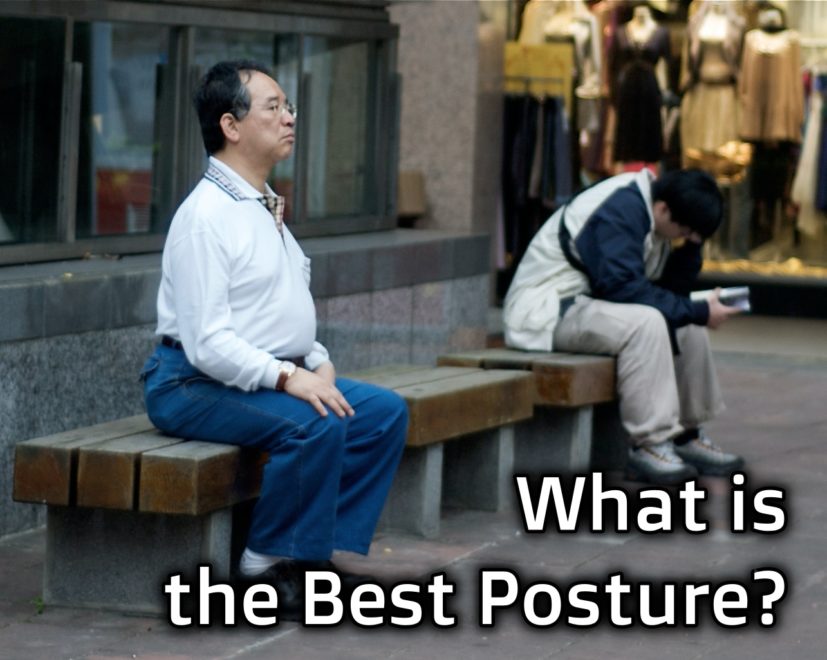
Ever argue with someone about good posture?  Are you ready to tell them it’s all bullshit? We are meant to move, so the best posture is one that is constantly changing.  In fact, research shows movement variability, the changes we unconsciously make within movements, is a marker of health and reduced injury. How beefed up would your posture knowledge be if you knew… What “good” posture actually is? Can you really be “stuck in extension?” What “stacking” is and why it’s essential to movement? What are the best cues to change someone’s posture? Well those are just a few of the many things you’ll learn in today’s video interview I did on Phillipe Gervais’ Youtube channel. It’s time to finally silence those posture junkies. Time to have that difficult conversation with your mom (cue childhood trauma of mom telling me to sit up straight). Time to take your movement knowledge to the next level! Watch the video below and prepare to deep dive! Photo credit: Steve Leggat

Read More

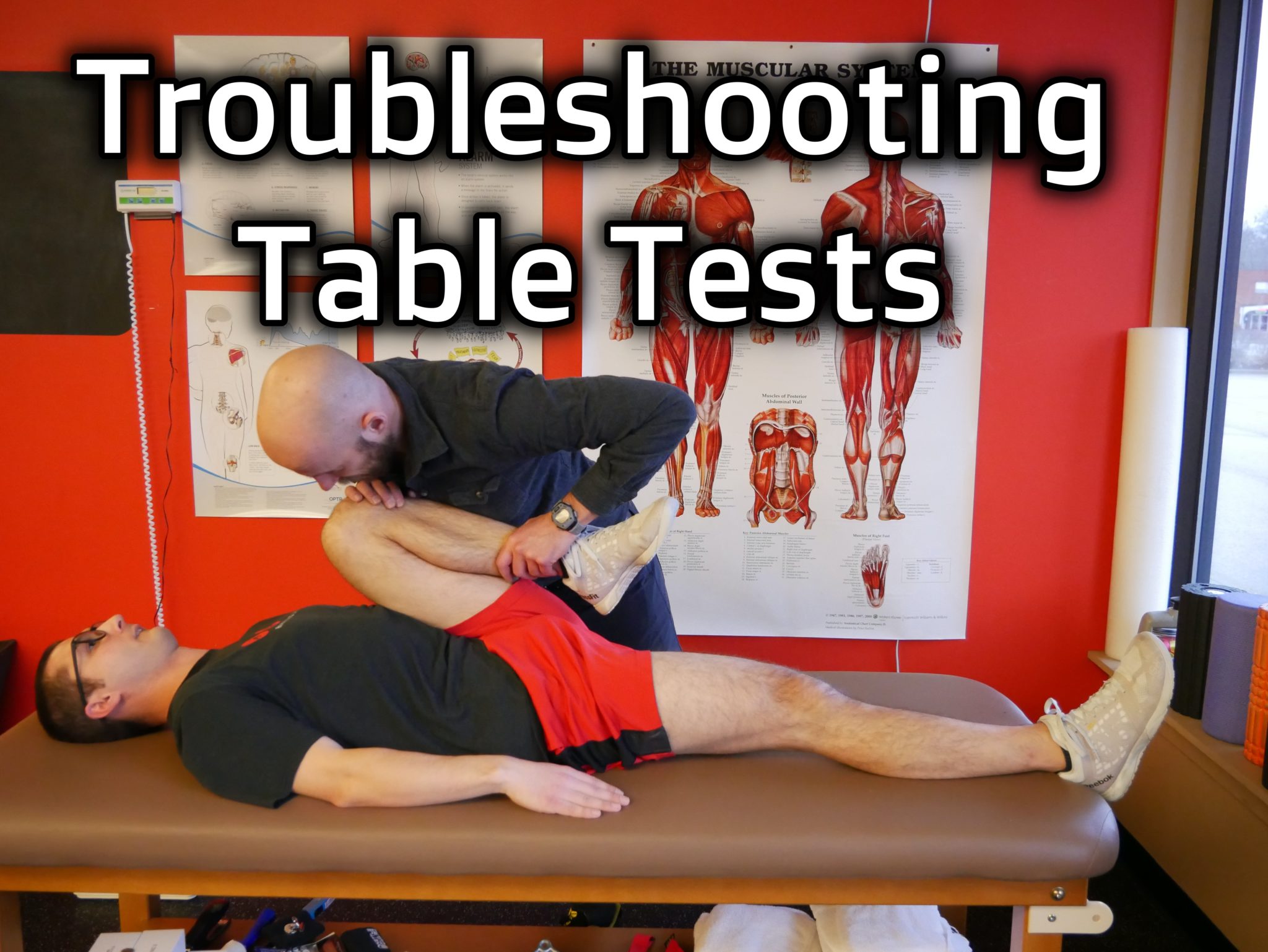
Troubleshooting Table Tests

Learn what range of motion testing really tells you Movement Debrief Episode 123 is in the books. Below is a copy of the video for your viewing pleasure, and audio if you can’t stand looking at me. Here is the setlist: Are standing postural assessments useful? What are the best assessments to use online? Does it differ if you are a trainer or clinician? How do I make decisions based off of table tests? What does it mean when someone has clear table tests but is limited in standing measures? What’s the difference between a Thomas test and an ober’s test? How does one determine if someone has ligamentous laxity or not?

Read More

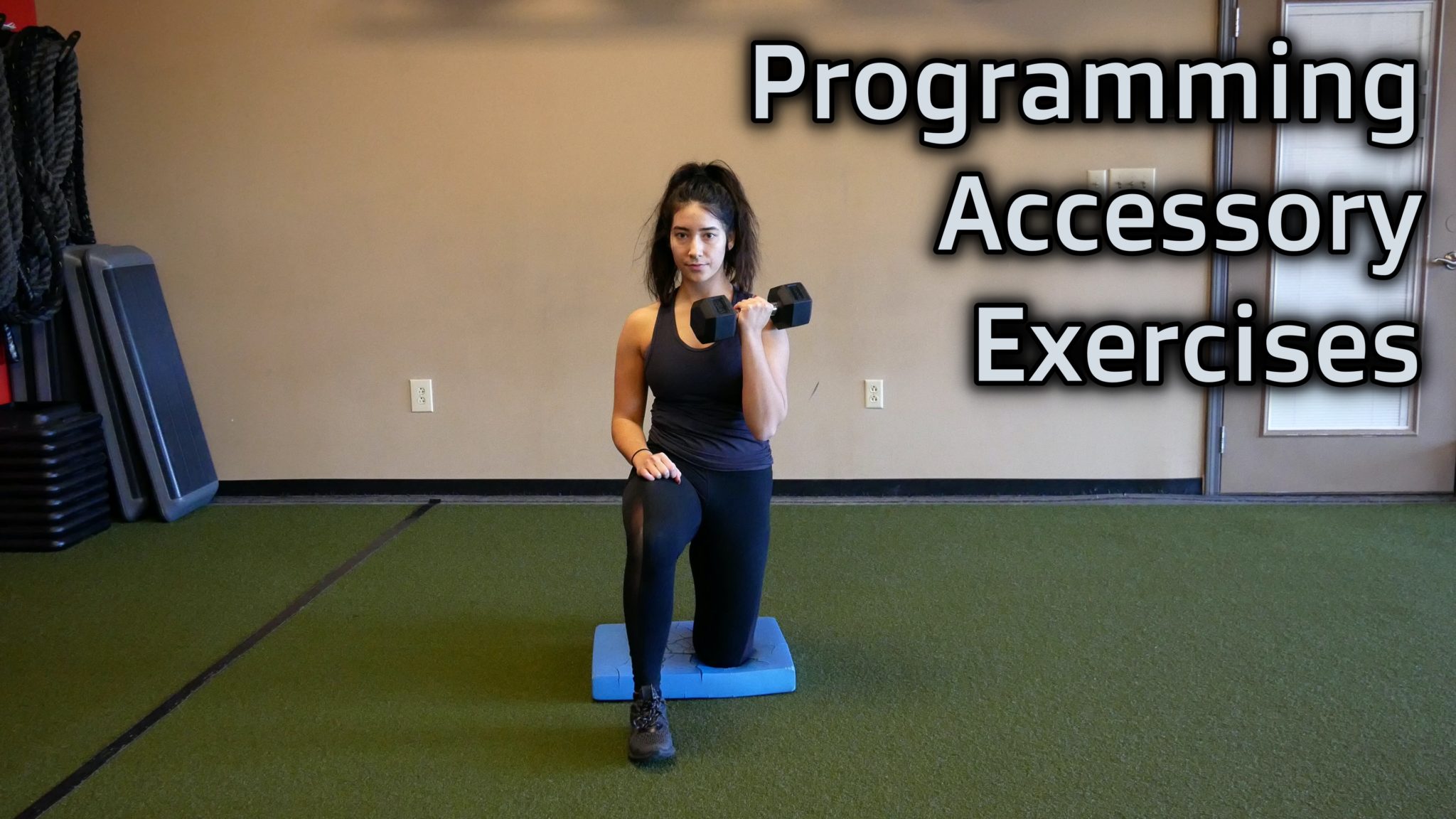
Programming Accessory Exercises

Learn how to use specific accessory exercise positions to improve your movement and fitness Movement Debrief Episode 122 is in the books. Below is a copy of the video for your viewing pleasure, and audio if you can’t stand looking at me. Here is the setlist: When would crawling be useful to program? When would dead bugs be useful to program? When would crab walks be useful to program? When would tall kneeling be useful to program? When would half-kneeling be useful to program? What are the benefits of hanging exercises?

Read More

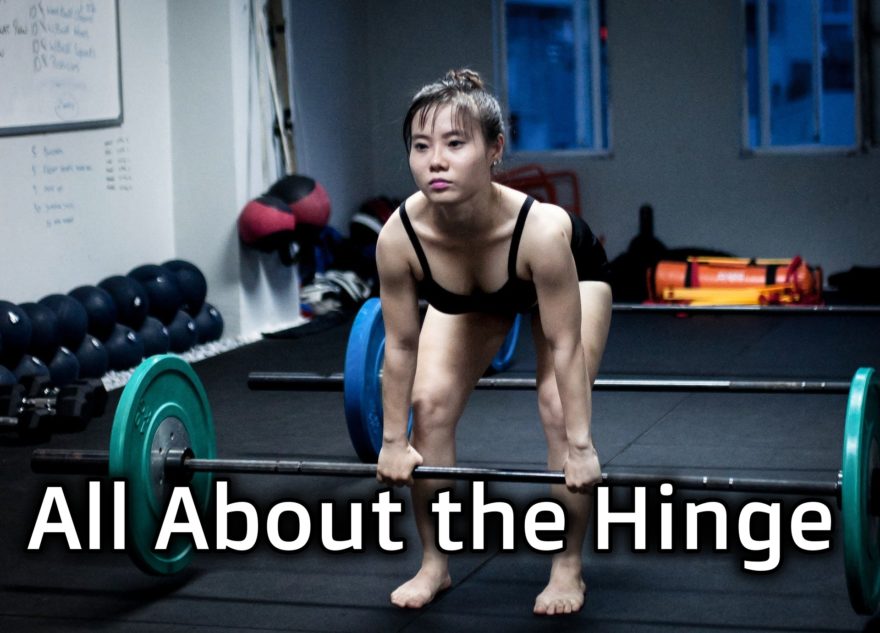
All About the Hinge

Hinging biomechanics, coaching, and programming Movement Debrief Episode 121 is in the books. Below is a copy of the video for your viewing pleasure, and audio if you can’t stand looking at me. Here is the setlist: What mechanics are involved in hinging? What range of motion restrictions does hinging improve? What are my favorite hinging exercises and when do I prescribe them? What regressions do I use to improve hip extension? How can I improve hinging for different infrasternal angle presentations? What mechanics does the Camporini Deadlift improve? How can a snatch grip RDL improve thoracic spine mobility? What is the foot position for a hinge and how do I coach it?

Read More

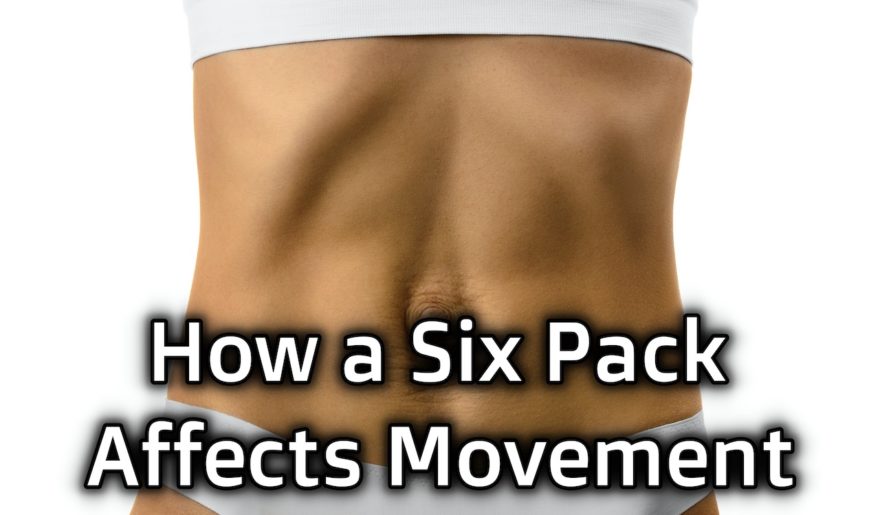
How a Six Pack Affects Movement

A deep dive into abdominal wall compensations Movement Debrief Episode 120 is in the books. Below is a copy of the video for your viewing pleasure, and audio if you can’t stand looking at me. Here is the setlist: What movement compensations can occur from a concentric rectus abdominis? How can the rectus abdominis become eccentrically oriented? How does abdominal fat impact movement? How does a pooch belly develop? What is a diastasis recti? How does breathing coaching change with a diastasis recti? What breathing would be recommended for diastasis recti during conditioning? How can a pooch belly be managed in standing? What are umbilical hernias? What causes umbilical hernias? Should surgery be done? What conservative treatments can be given for an umbilical hernia?

Read More

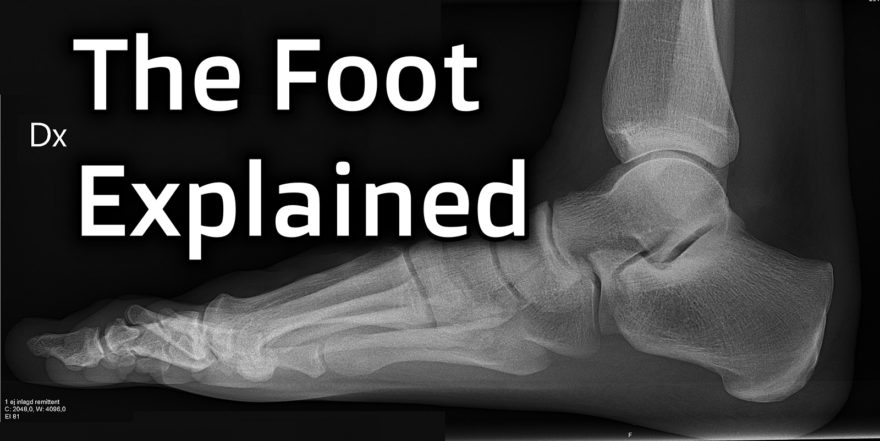
The Foot Explained

Biomechanics, compensation, and treatment of the foot Movement Debrief Episode 119 is in the books. Below is a copy of the video for your viewing pleasure, and audio if you can’t stand looking at me. Here is the setlist: What is the relative foot position during inhalation and exhalation? What strategies can be used to improve pronation and supination limitations? How can I improve dynamics in a flat foot? How does the foot move during a squat? How do bunions form?

Read More

Assessing Compensatory Strategies

A deep dive into the practical application of respiratory mechanics When you deep dive into the biomechanics, it’s easy to get lost in the weeds. You are trying to figure out how the scapula moves just so, or what is the big toe doing during this part of the squat…yikes! While greater biomechanical understanding is necessary, it’s not the most important piece. You can never lose sight of how to help your clients. That is the highest priority. Practical application. Which is why I think you’ll love my feature on the Upper Left Performance Podcast. It’s just enough of the details of movement compensations, with heaps of practical application! Topics covered include: What are the two common compensatory strategies people can present with? How does body structure influence one’s ability to move Simple assessments for determining one’s compensatory strategy How to adapt one’s training to maximize movement quality Click here or the link below to tune in! Upper Left Performance #14 Zac Cupples  Image by pisauikan from Pixabay

Read More

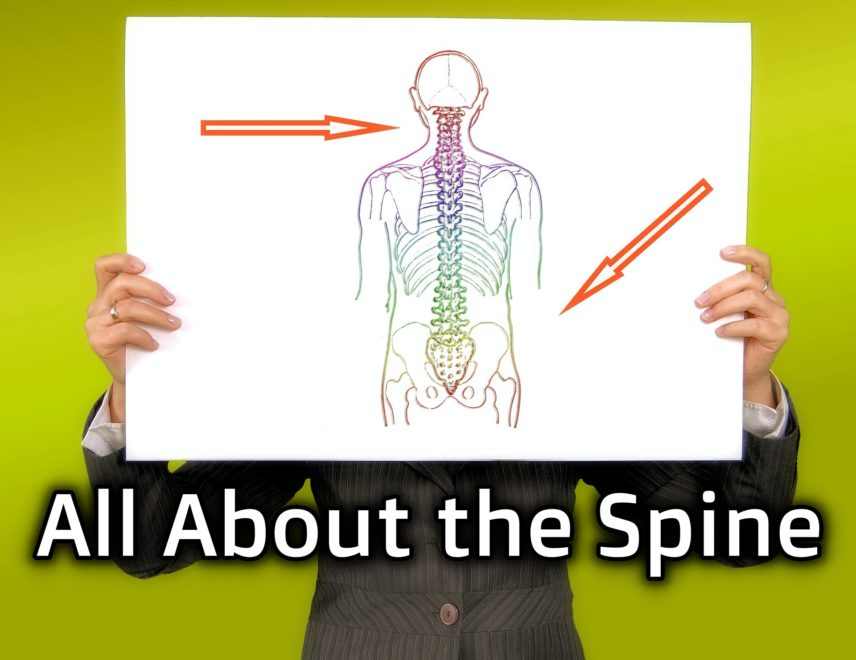
All About the Spine

How to maximize your spinal movement Movement Debrief Episode 118 is in the books. Below is a copy of the video for your viewing pleasure, and audio if you can’t stand looking at me. Here is the setlist: What happens to the thoracic spine and scapulae during inhalation? What compensatory strategy is present with a Dowager’s Hump? What treatments should one with a Dowager’s Hump focus on? What sitting posture is best? Should restoring sagittal plane motion allow for rotation to occur, or must you focus on rotation? When can the spine present with excessive lumbar flexion? What is the action of the lower trapezius on the spine? When could recruiting the lower trapezius be useful? Is the cat-cow exercise useful? How does a spinal fusion impact respiration?

Read More

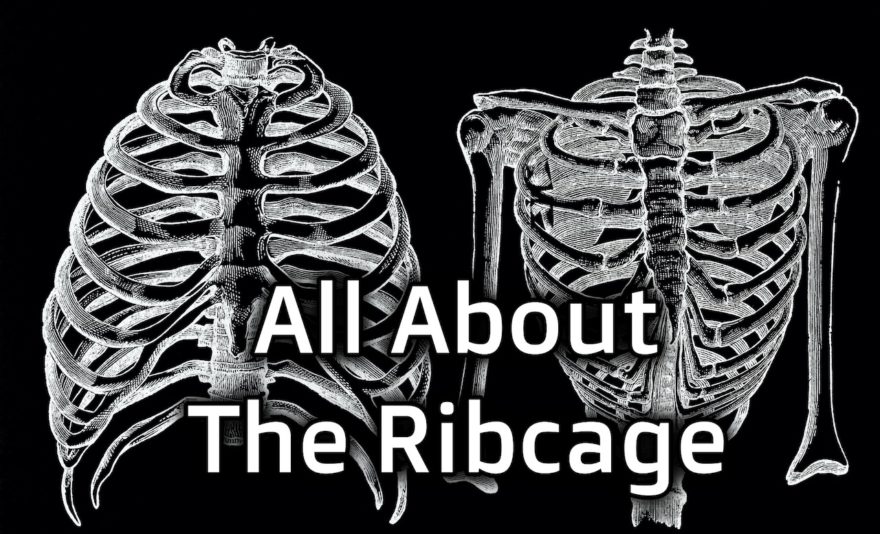
All About the Ribcage

Learn how reaching and improve upper body mobility Movement Debrief Episode 117 is in the books. Below is a copy of the video for your viewing pleasure, and audio if you can’t stand looking at me. Here is the setlist: What order should I prioritize improving ribcage expansion? What is the manubriosternal joint? What happens when I have mixed compensations at the sternum? How can I encourage ribcage dynamics without increasing secondary compensations? What visual cues can I look at to see if someone can “stack?” What is different about infrasternal angle presentations between 90-110 degrees? How do I go about improving these particular infrasternal angle presentations? How can thoracic sidebending be useful with improving ribcage dynamics?

Read More

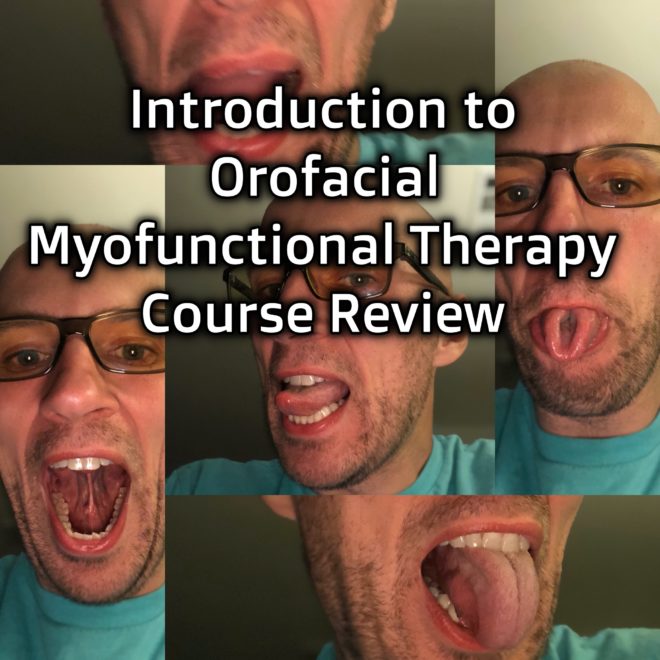
Introduction to Orofacial Myofunctional Therapy Course Review

How improving tongue mobility can impact sleep and nasal breathing I hit a plateau. I was getting good results with many clients. I was making infrasternal angles dynamic, restoring hip flexion and extension, and getting ribcage mobility on fleek. Yet there were still some folks who I couldn’t get the symptom change they needed. Either they had really stiff necks, craniofacial issues, or difficulty sleeping. I knew I was missing something. Then I found myofunctional therapy. My buddy Joe Cicinelli, my myofunctional therapist, gave me some tongue exercises surrounding my tongue-tie release surgery, and I noticed some interesting changes with myself. My neck felt looser, I was sleeping better, and just overall feeling better. I decided to experiment and try a few activities here and there on some clients. With having only a rudimentary understanding, I started seeing some of those troubling cases improve. Necks were less tight. Sleep was improving, jaw pain was vanishing. I needed to learn more. That’s when I came across the Academy of Orofacial Myofunctional Therapy (AOMT) and saw they offered an introductory course. I was in. Four days later, a gap was filled. Having applied these techniques to several patients, many of those troubled cases were not so troubling. Although I was addressing airway with most of my treatments, I neglected the uppermost portions of it. The folks at AOMT give you that and then some. With this course, we deep-dived into anatomy, evidence, assessment, treatment, and business. You really get a total package

Read More
Reaching: Theory and Practice

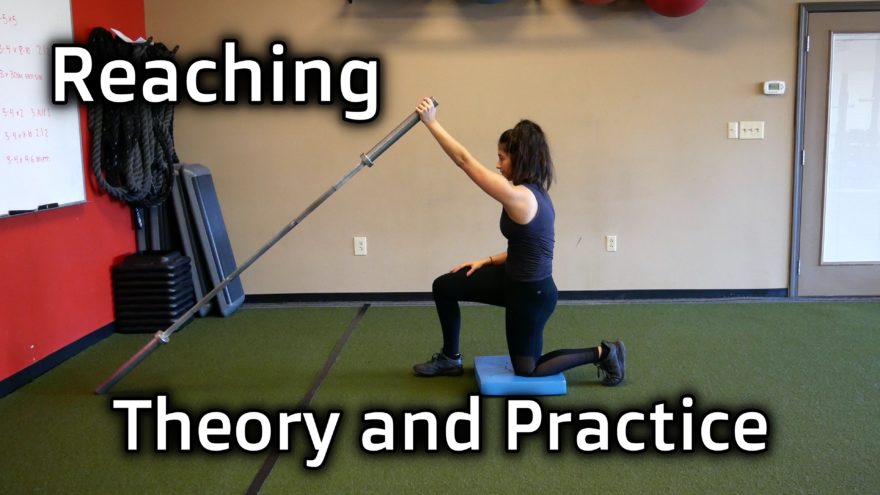
Learn how reaching and improve upper body mobility Movement Debrief Episode 116 is in the books. Below is a copy of the video for your viewing pleasure, and audio if you can’t stand looking at me. Here is the setlist: How does airflow change at various reaching angles? How does airflow change with trunk rotation? What is the scapular orientation during shoulder extension? How does one with a posterior thorax tilt present? How do different carry variations impact airflow?  How does forearm supination and pronation impact reaching? How can we sequence carries in a manner that allows for maximal airflow expansion? How can you tell if someone is using a compensatory strategy when they are lifting weights?

Read More